
Loss of water pressure on a yacht: causes and solutions
When water pressure drops on board, the problem could be with the pump, filters, valves, a leak, or an internal restriction in the system. Detecting it early prevents major failures. showers, faucets, kitchen, bathrooms and technical systems of the yacht.
Common signs of low pressure
- Irregular water flow in taps or showers.
- Pump that is constantly activating.
- Pressure that rises and falls for no clear reason.
- Water that takes a long time to reach certain points.
Why a yacht can lose water pressure
A loss of water pressure on a yacht doesn't always have a single cause. In many cases, the symptom appears at a tap or shower, but the source could be elsewhere in the system: the pump, filters, valves, pipes, connections, or the water tank.
Furthermore, the nautical environment places greater demands on the system. everyday use, vibration, humidity, and exposure to salt water They can loosen connections, damage components, and reduce performance without the problem being obvious at first.
Factors that can affect pressure
- Continuous use of the system Showers, kitchens, bathrooms, and technical systems increase the load on pumps, filters, and water lines.
- Vibration and movement Normal operation of the yacht can loosen clamps, fittings, connections, and fasteners over time.
- Saltwater and marine environment Salinity and humidity can accelerate the wear of valves, fittings, pumps, and exposed components.
- Lack of periodic review When filters, valves, or pipes are not checked in time, restrictions, leaks, or a gradual loss of performance can occur.
What can cause low water pressure on a yacht?
Low water pressure can appear gradually or suddenly. To understand the source of the problem, it's advisable to check the components that directly influence the flow rate, pressure stability, and performance of the onboard water system.
Clogged filters
Filters can accumulate sediment, limescale, dirt, or debris from the system itself. When they become saturated, the flow rate drops and the pressure can become uneven in various parts of the yacht.
Pump with low performance
If the pressure pump is working harder than normal, making noise, or constantly activating, there may be wear, air ingress, an internal failure, or a problem elsewhere in the system.
Leaks or loose connections
Everyday use, vibration, and salinity can loosen fittings, clamps, or connections. Even a small leak can affect pressure and cause moisture in technical areas.
Partially closed valves
A valve that is misaligned, damaged, or has an internal restriction can limit the flow of water. This can affect a specific area or disrupt the behavior of the entire system.
Pipes with internal restriction
Over time, buildup, limescale, debris, or narrowing can occur within the lines. This reduces flow and can create pressure differences between various points on the yacht.
Accumulator or pressure switch out of adjustment
An accumulator with incorrect pressure or a poorly adjusted pressure switch can cause cut-offs, unstable pressure, or irregular operation of the water pump.
What to check before changing a pump or replacing parts
When a yacht loses water pressure, the first thing that comes to mind is the pump. However, replacing a pump without checking the rest of the system may not solve the problem if the source is a clogged filter, a valve, a leak, air in the line, or an internal restriction.
Therefore, before replacing components, it is advisable to carry out a technical inspection of the entire system. In onboard water systems, The pump, filters, connections, accumulator, and pipes all work together.. A small fault in one area can affect the pressure in several zones of the yacht.
A good diagnosis prevents unnecessary changes. The priority is not to replace parts quickly, but to identify which component is causing the loss of pressure and correct it safely.
Points to check
- Pump condition and performance Check if it works constantly, makes noise, loses power, or activates without actual water consumption.
- Filters and possible blockages Check for accumulations, dirt, sediment, or restrictions that may reduce flow.
- Valves, fittings and connections Check for loose, damaged, or vibration-affected parts, or parts affected by humidity or salinity.
- Accumulator, pressure switch and system pressure Check if the regulation is correct and if the pressure remains stable during use.
- Pipes and distribution lines Detect leaks, narrowing, internal accumulations, or areas where the flow rate is reduced.
When is it advisable to request a technical inspection?
A temporary drop in pressure might seem minor, but if the symptom recurs or appears in several areas of the yacht, it's advisable to check the system before the pump overworks or a small leak ends up affecting other technical areas. In a nautical environment, Vibration, humidity, and salinity can accelerate the wear of connections, valves, and components..
Signs that it's not worth waiting
- Low water pressure in more than one tap, shower, or area of the yacht.
- The pump activates constantly even when there is no clear consumption.
- The flow rate changes during use or rises and falls for no apparent reason.
- Moisture appears near connections, pipes, or technical areas.
- The pressure loss returns after a quick repair.
- The problem appears just before the season, charter, or important departure.
Acting before a major breakdown reduces risks. A technical review helps to locate the source of the problem and avoid unnecessary replacements.
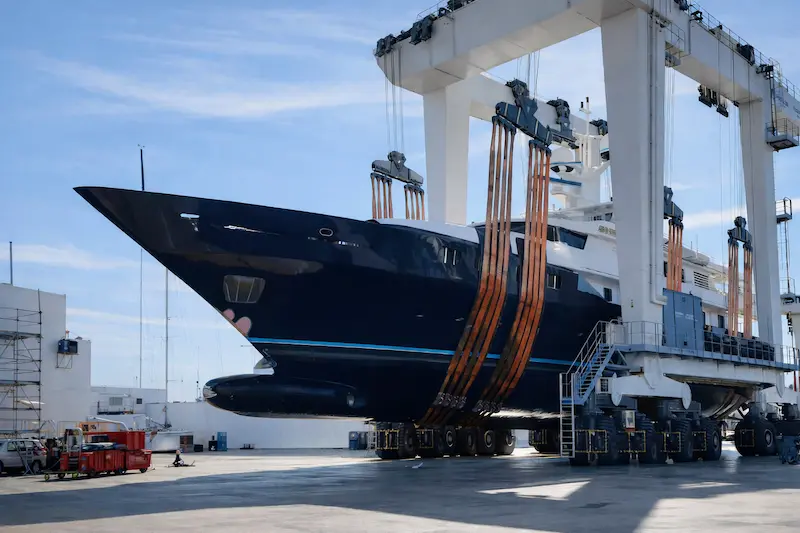
Water pressure loss inspection on yachts in Mallorca
If a loss of pressure occurs while on board, before the season starts, or during peak yacht operations, it's advisable to have the entire system checked before the problem worsens. A technical inspection will pinpoint the source and prevent unnecessary component replacements.
At Yacht Plumbing Mallorca we check onboard water systems, pumps, filters, connections, valves and pipes to detect why the flow rate has dropped or why the pressure is not stable.
What to do if your yacht loses water pressure
Pressure loss should not be analyzed as an isolated failure. Before replacing a pump, it's advisable to check the entire system and confirm which component is causing the problem.
Observe the symptom
Before intervening, identify whether the low pressure occurs in a specific area or in several points of the yacht.
- Taps or showers with weak water flow.
- Uneven pressure during use.
- Water that takes a long time to arrive.
Do not replace parts without a diagnosis
The pump may be part of the problem, but it may also be responding to a leak, blockage, or misalignment elsewhere.
- Check filters and valves.
- Check connections and leaks.
- Check accumulator and pressure switch.
Act before it gets worse
If the problem recurs, an onboard check can prevent major breakdowns, loss of comfort, or emergencies during peak season.
- Less risk of pump failure.
- Fewer makeshift repairs.
- Greater reliability of the water system.
If the water pressure drops repeatedly, it's advisable to have the system checked as soon as possible. A technical check can detect the source of the problem and prevent unnecessary changes.
Request a technical reviewIs your yacht losing water pressure?
If you're experiencing low water pressure in your taps, showers, or other areas of your yacht, we can help you check the system before replacing components without a proper diagnosis. Please tell us where your vessel is located, what symptoms you've noticed, and when the problem started.
What should be indicated
Port, type of yacht, affected areas, pump behavior, and whether the pressure drops occasionally or repeatedly.
What can we review?
Pump, filters, valves, connections, accumulator, pipes, leaks and possible internal restrictions of the system.
Service in Mallorca
Palma, STP, Club de Mar, Puerto Portals, Port Adriano, Port d'Andratx and other marinas depending on availability.
Request a technical review
Complete the form and we will contact you to assess the onboard water system inspection.
Example: or