
Air quality matters

Bad smell in a yacht's air conditioning: causes and how to prevent it

If, when you turn on the air conditioning, you notice a musty smell, stuffy air, or an unpleasant feeling in cabins and lounges, the source may be... filters, grilles, ducts, condensation or internal accumulation in the ventilation system.

Common signs

  • Musty smell when turning on the air conditioning.
  • Heavy air or a feeling of a poorly ventilated cabin.
  • Visible dust on grilles, outlets or returns.
  • Odors that return after airing out the interior.

It's not always a superficial problem. On a yacht, humidity, salinity, and continuous use can promote internal buildup in the air system.

```
Origin of the problem

Why can a bad smell appear in the air conditioning of a yacht?

Bad smells in a yacht's air conditioning system don't always come from a single source. They can be caused by accumulated humidity, condensation, clogged filters, dust in vents, debris in ducts, or inadequate air circulation within the ventilation system.

Onboard, the system operates in a more demanding environment than a conventional installation. salinity, humidity, temperature changes, and periods of intensive use or inactivity They can promote the accumulation of particles and odors in cabins, lounges and interior areas.

The key is not to cover up the smell. If the smell returns every time the air conditioning is turned on, it's important to understand what's causing it before using air fresheners or temporary solutions.

Common factors on board

  • Humidity and condensation They can become trapped in internal areas of the system and generate a musty or damp smell.
  • Filters and grilles with dirt Dust, salinity, and accumulated particles can affect indoor air quality.
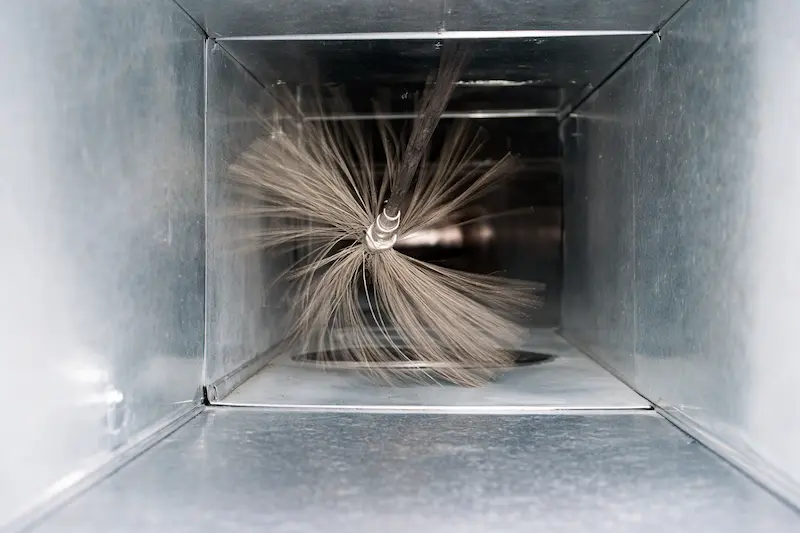
  • Ducts with internal accumulation In some cases, the smell may come from residue or dirt inside the ventilation system.
  • Irregular use of the system Long periods of non-use, followed by intensive operation, can cause the odor to appear when the air conditioner is switched on.
Symptoms

Signs that the problem may be coming from the ventilation system

Bad smells don't always appear as a strong odor from the start. Sometimes they begin as stuffy air, humidity, visible dust, or a stale cabin feeling. These signals help to detect if the source may be in the air system.

When the air doesn't feel clean, comfort drops quickly.

On a yacht, indoor air quality directly influences the experience of guests, crew, and owner, especially during peak season, charters, or extended stays.

Smell

Musty smell when turning on the air conditioning

If the smell appears right when the system is activated, there may be moisture, condensation, or internal buildup in grilles, filters, or ducts.

Key signal: The smell returns even after the cabin is ventilated.
Cabins

Heavy air or a feeling of a closed interior

Poor ventilation can make lounges and cabins feel stuffy, even when the air conditioning is cooling properly.

Key signal: The atmosphere improves only when doors are opened or ventilation is provided.
Grates

Visible dust on outlets or returns

Dust, salinity, and particles can accumulate in visible areas of the system and affect indoor air quality.

Key signal: dark marks or dirt around the outlets.
Performance

Reduced feeling of freshness inside

If the system cools, but the environment does not feel clean or comfortable, there may be dirt accumulated in internal points of the air circuit.

Key signal: The problem is repeated in several areas of the yacht.
Detecting these signs early helps avoid temporary solutions. If the smell or stuffy air returns after ventilation, it's advisable to check the system before the problem affects onboard comfort.
Within the system

What can accumulate in grilles, filters, and air ducts

Unpleasant odors from a yacht's air conditioning system are usually related to internal buildup in the ventilation system. The combination of humidity, condensation, dust, salinity, and continuous use can gradually affect the indoor air quality in cabins, lounges, and other enclosed areas.

HVAC System

The air passes through more points than can be seen.

Grilles, returns, filters and ducts can accumulate moisture, dust, salinity and debris that affect onboard comfort.

Dust

Dust and suspended particles

They can be attached to grilles, outlets and returns, especially in indoor areas with constant air circulation.

Humidity

Condensation and a musty smell

Retained moisture can cause an unpleasant odor when the system is turned on, especially after periods of non-use.

Salinity

Salinity and marine environment

The nautical environment promotes deposits and wear in exposed areas, even when the problem is not visible to the naked eye.

Waste

Internal accumulation in ducts

In some cases, residue within the circuit can cause the smell to return even after the cabin is ventilated.

The problem is not always in the cabin where the smell is perceived. Sometimes the source is in an internal area of the air system, so it's advisable to check the circuit before applying surface solutions.

Temporary solutions

Why you shouldn't mask the smell with air fresheners

When a musty or stuffy smell appears on board, it's common to try to mask it with ventilation, perfumes, or aromatic products. The problem is that these solutions don't address the source of the odor within the air system.

Surface solution

Covering up the smell doesn't eliminate the cause.

An air freshener can improve the perception for a few minutes, but if the source is humidity, filters, grilles or ducts, the smell will return when the system is up and running again.

  • The smell may reappear when the air conditioning is turned on.
  • The cabin may still feel stuffy.
  • Internal dirt is not removed by spot ventilation.
VS
Correct approach

Reviewing the system allows you to locate the origin

When the smell recurs, it's advisable to check if it's coming from vents, filters, return vents, condensation, or internal areas of the air system. This way, you can address the real cause.

  • It helps improve indoor air quality.
  • Reduces persistent odors in cabins and salons.
  • It allows you to detect accumulations before the season or charter.

If the smell returns after ventilating, it's not just a problem with an enclosed environment. It could be a sign of buildup, humidity, or lack of cleaning in internal points of the air conditioning system.

Safety on board

How to prevent bad smells before season, charter, or owner arrival

Prevention is especially important on yachts that have been docked, have been heavily used, or are being prepared to receive guests. Checking the air system before an important stay helps avoid problems. odors, stuffy air, and loss of indoor comfort.

What to check before an important stay

  • Activate the system in advance Turning on the air conditioning before receiving guests allows you to detect odors, stuffy air, or a feeling of being too cool in cabins and lounges.
  • Observe grilles, outlets and returns Visible dust, dark marks, or dirt around the outlets may indicate buildup in the system.
  • Pay attention to humidity and condensation After periods of inactivity, retained moisture can cause odor when the air conditioner is used again.
  • Don't wait until the smell is obvious If the indoor environment does not feel clean or fresh, it is advisable to check the system before the season, charter, or arrival of the owner.
Prevention avoids surprises at the worst possible time. If the smell appears when the system is turned on or returns after ventilation, there may be a buildup in filters, grilles, ducts, or internal areas of the air circuit.
Yacht interior with onboard air conditioning and ventilation system
Interior comfort

Before receiving guests, the air should feel clean, fresh, and free of lingering odors.

A neglected air system can negatively impact the onboard experience. Whether seasonal or charter, interior comfort depends not only on temperature: it also depends on the quality of the air circulating in cabins, lounges, and enclosed areas.

When to review the system

When is it advisable to check the air conditioning system on board

Not all odors require urgent intervention, but when the problem recurs or appears in several areas of the yacht, it's advisable to have the system checked before it affects interior comfort. This is especially important during peak season, charters, or owner stays., Air quality on board is a direct part of the experience..

The clearest sign is repetition. If the smell returns when the air conditioning is turned on, even after the cabin has been ventilated, the source may be within the system and not just in the indoor environment.

The smell appears every time the air conditioner is turned on.

It may indicate moisture, dirt, or internal buildup in grilles, filters, returns, or ducts.

The atmosphere feels stuffy even though the cooling system is working.

The unit may function in terms of temperature, but it doesn't necessarily maintain a feeling of clean, fresh air.

There is visible dust or marks on the air vents

Marks around grilles and returns may indicate particle accumulation at visible points in the system.

The yacht is being prepared for season or charter.

Before receiving guests or the owner, it is advisable to check that the interior does not have persistent odors or heavy air.

If these symptoms recur, a system review helps identify the source before applying temporary solutions.

See review

If the smell returns, the system needs more than just ventilation.

A bad smell coming from a yacht's air conditioning system shouldn't be dismissed as just a one-off annoyance. When it recurs, it can indicate a buildup of moisture, dirt, dust, or debris in the system's internal areas.

The key is to act before it affects the comfort of guests, crew, or owner. If the indoor environment feels stuffy or the odor appears when the system is turned on, it's advisable to check filters, vents, ducts, and return points.

Do you notice a musty or stuffy smell on board?

Tell us what happens, in what area of the yacht the smell appears and whether it happens when the air conditioning is turned on or after a period of disuse.